
Funeral home record disposal should begin with permission to destroy the records, followed by a secure process for doing it. Identify the record category, confirm the applicable retention period and any hold, then approve and document disposal. A full storage room is a reason to review the schedule, not a reason to empty it.
This recommended workflow is for U.S. funeral-home managers and office teams, including firms in Illinois, Missouri and Kansas. It does not supply a retention schedule. Ask your state regulator and advisers which rules apply to each record type, including any preneed, employment, tax or litigation-related material, before authorizing destruction.
Which records are eligible for funeral home record disposal?
The FTC’s information-security guide for businesses recommends a written retention policy identifying what to keep, for how long and how to dispose of it securely. Build your schedule by record category and responsible owner. Have the relevant adviser confirm the requirements and any reason a particular file must be preserved.
As a management control, give staff a clear “awaiting review” category for uncertain records. Keep it separate from approved destruction. Before each batch, ask whether a complaint, audit, investigation or legal matter requires preservation, and consult counsel where needed. Do not let a routine calendar entry override a specific hold or an unresolved retention question.
What does the federal Disposal Rule cover?
The FTC’s Disposal Rule guidance addresses consumer reports and information derived from them, including qualifying employment background reports. A business using that information for business purposes must take reasonable measures for proper disposal. Do not describe the rule as a universal retention period for every funeral case file.
The FTC describes protective destruction of covered paper and electronic information and due diligence when hiring a destruction contractor. Its examples include checking a contractor’s policies, references or independent audit. Separately identify any other rules applying to your records with your adviser; this overview does not decide which requirements cover a particular firm.
How should you choose a local destruction provider?
For the purchasing conversation, describe the material and expected collection volume without sending identifiable records. Ask who serves your address, whether destruction happens onsite or elsewhere, and who takes custody at each stage. Confirm the route for missed collections and the arrangements for a branch outside the provider’s usual service area.
Compare written proposals covering collection containers, pickup frequency, transport, destruction method, subcontractors and incident notification. Ask what evidence is returned after a collection and how exceptions are reported. Clarify minimum charges, additional pickups and contract termination. A nearby office or a low advertised rate does not answer those operational questions.
How can staff keep the approved batch separate?
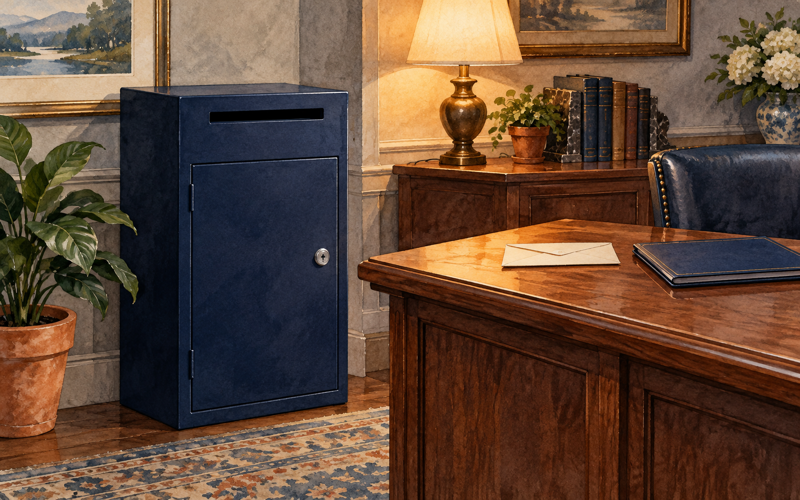
As a recommended batch-control process, name the employee who approves the contents and the employee who releases them for collection. Use a batch identifier tied to an internal record of the categories and date range approved. Keep original records still under review out of that batch, even when their folders look identical.
Choose a collection location that staff can use without leaving material in public reception. Explain what belongs in the collection container and what should be returned for review. On pickup day, reconcile the batch identifier and collection receipt. If the contents or expected collector do not match, pause and contact the approved supplier through a known channel.
What about computers, copiers and cloud copies?
Include equipment returns and account closures in the disposal plan. Ask the IT provider to identify the data-bearing devices and locations involved, including any replicas or backups, and propose an appropriate sanitization process. Confirm retention and hold requirements before authorizing that work. Treat paper collection and electronic disposal as separate assignments with separate completion evidence.
Keep a concise completion record showing the approved batch or asset, approver, collection or disposal date, provider and any exception. Do not copy the sensitive contents into the destruction log. A certificate or receipt supports the record of the job; investigate discrepancies rather than treating a piece of paper as the end of the review.
Step by step
Put it to work this week
Adapt these recommended actions to your team and the requirements that apply to your work.
Review one record category
Choose a manageable category and have its owner confirm the retention requirement and outstanding holds with the appropriate adviser. Do not begin with an office-wide purge.
- Who does it
- Owner and records manager
- When
- This week
Request a disposal proposal
Ask a qualified provider about collection coverage, custody, destruction, incident reporting and evidence returned. Keep personal information out of the request.
- Who does it
- Office manager
- When
- This week
Walk through a sample batch
Use empty folders to test approval, separation, pickup and receipt reconciliation. Resolve any unclear handoff before releasing real records.
- Who does it
- Records manager
- When
- This week
Questions professionals ask
- How many years should a funeral home keep its records?
There is no single retention period supplied by this workflow. Identify each record category and confirm the applicable state and federal requirements with the appropriate regulator or adviser. Preserve records subject to a hold, and obtain approval before starting a disposal batch.
- Does the FTC Disposal Rule cover every funeral home file?
The FTC Disposal Rule concerns consumer reports and information derived from them. It should not be presented as a blanket rule for all funeral records. A firm should separately identify other applicable privacy, retention and preservation duties before deciding how to handle a particular category.
- What should a funeral home keep after secure destruction?
Keep a concise record of the authorized batch or asset, the approver, relevant dates, the provider and completion evidence, with any unresolved exceptions. Avoid reproducing sensitive file contents in that log. Investigate missing receipts or mismatched batches with the responsible provider.
Sources and references
These references support the guidance in this article. Each entry names the source and the date we checked it. Open the links for more detail, and confirm current requirements, availability, or costs with the relevant organization before relying on them.
- Federal Trade Commission — Protecting Personal Information · checked
develop a written records retention policy
- Federal Trade Commission — Disposing of Consumer Report Information · checked
The Disposal Rule applies to people and both large and small organizations that use consumer reports.