If you are wondering what to say to someone who is grieving, you can begin with “I'm sorry to hear about Sam.” You do not need an explanation for the death or a sentence that makes it easier. Acknowledge what happened, then leave room for the person to respond in their own way.
The examples here are starting points. Use the person's name and words that sound natural in your relationship.
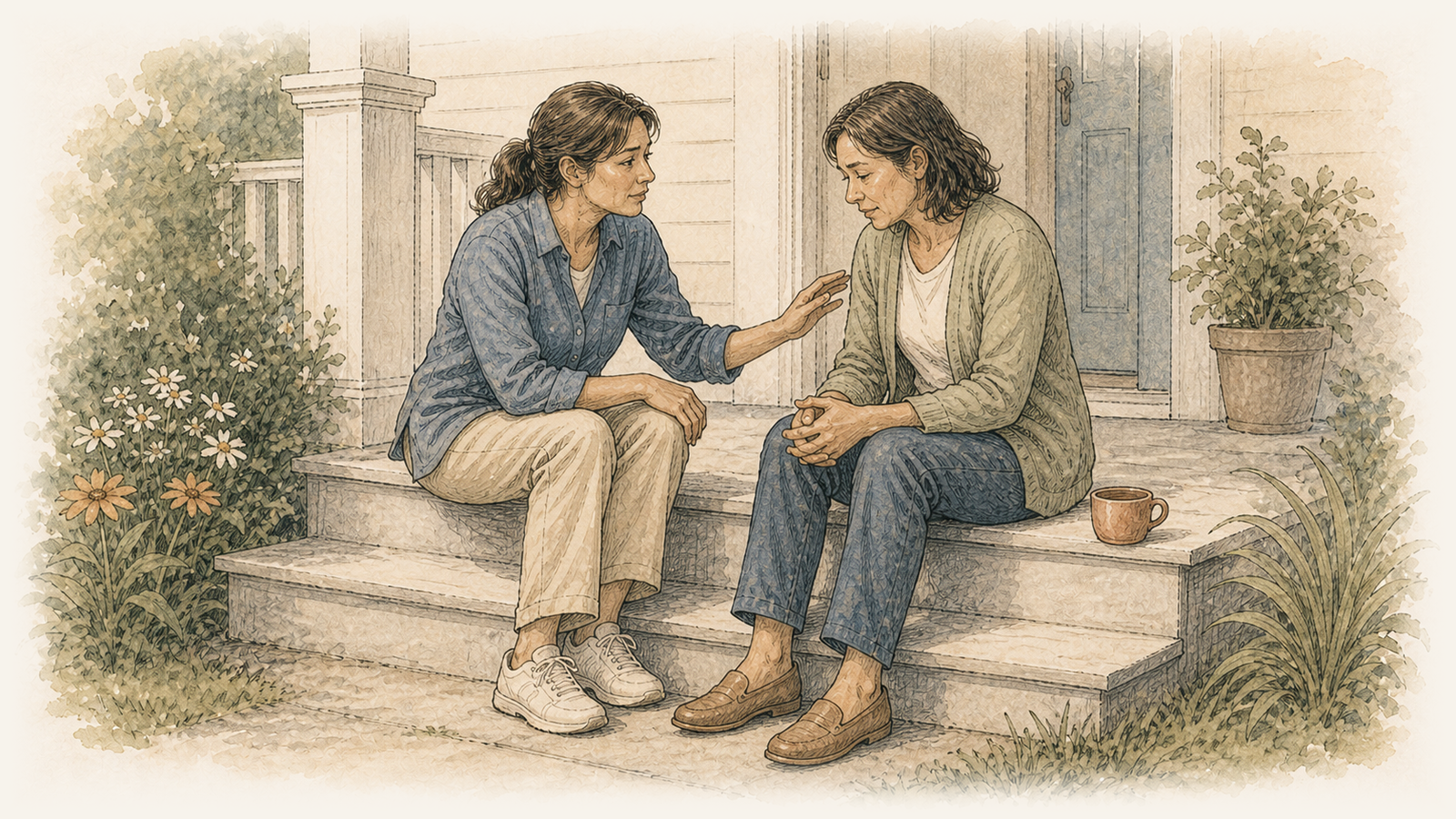
What can you say to someone who is grieving?
A short message could be: “I heard about your dad. I'm so sorry. I've been thinking about you.” If you knew him, you might add a memory: “I still remember him helping us move that enormous sofa.”
You can also offer a choice: “Would you like to talk about her, or would some quiet company help?” Hospice UK recommends listening without trying to supply answers and allowing the person to choose whether to talk. Read Hospice UK's advice on supporting someone who is grieving.
If they change the subject, follow their lead. You can talk about ordinary things, too.
How can you offer practical help?
Name something you can realistically do, and ask before making arrangements. For example: “Would dinner on Thursday help? I could leave it at the door or stay for a while, whichever you prefer.”
Or: “I'm going to the grocery store tomorrow. Is there anything I could pick up for you?” Wait for an answer before buying food, visiting, or taking on a task. If the answer is no, accept it without asking the person to explain.
“Let me know if you need anything” can be a sincere offer. If you have already said it, you can follow up with one specific suggestion. There is no need to start the conversation over or apologize for choosing those words.
What is better left unsaid?
Try not to supply a reason for the death or tell the person how they ought to feel. “Everything happens for a reason” may express your belief, but it may not express theirs. “At least you had many years together” can move the conversation away from what they are trying to tell you.
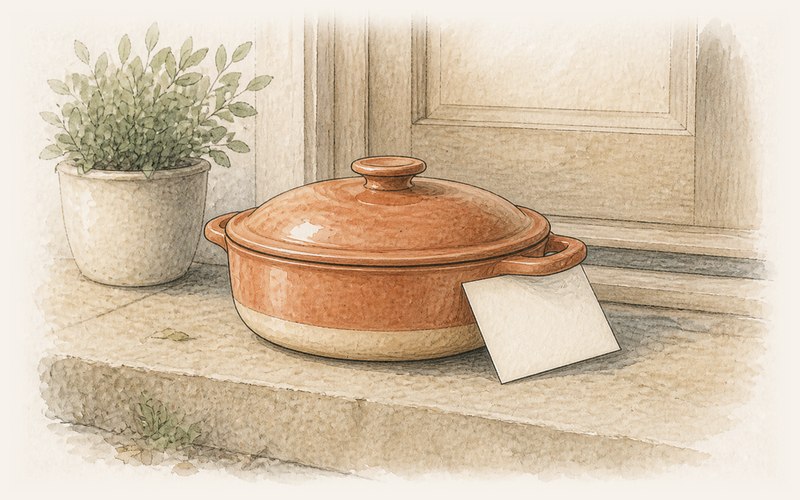
A more open response is: “I would like to listen, if you want to tell me.” If something you said upset them, a plain apology is enough: “I'm sorry. I shouldn't have assumed that.” Then listen to what they need from you.
Should you text, call, or visit?
Use what you know about the person. If you are unsure, a message gives you a way to ask: “Would you like a call this week, or would you prefer that I text?” You can add that they do not need to reply right away.
Before visiting, agree on a time. Before posting about the death or sharing a message with others, ask what the family wants made public.
What can you say after the funeral?
You can keep in touch without asking for a report on how someone is coping. Try: “I was thinking about you today. Would you like to take a walk this weekend?” Or: “I came across a photo of you and Sam. Would you like me to send it?”
Hospice UK encourages contact in the weeks and months after a funeral and around dates that may matter to the person. There is no fixed timetable for grief. Let their preferences guide how often you get in touch.
What if the death was a suicide or an overdose?
Acknowledge the person who died without asking the family to explain the circumstances. You might write: “I'm so sorry about Maya. I remember how welcome she made me feel when I first moved here.” Keep private details private, and avoid speculation or blame.
For support after a suicide, the American Foundation for Suicide Prevention recommends continued contact, practical help, and opportunities to remember the person who died. Read AFSP's guidance for supporting someone after a suicide loss.
What can you do next?
Send one message you mean. If you offer a call, a meal, or an errand, choose something you can follow through on. “I'm thinking of you. Would a call tomorrow be welcome?” is a place to start.
Questions families ask
- What if I did not know the person who died?
You can acknowledge the death without inventing a memory or claiming a closeness you did not have. Try: “I'm sorry to hear about your sister. I've been thinking about you.” If they want to tell you about her, listen.
- Is it too late to send condolences?
If you have only just heard about a death, you can say so briefly: “I just heard about your brother, and I'm sorry.” You can offer a conversation without expecting a reply or an explanation of how the person is doing.
- What if someone does not reply to my message?
You do not need to ask them to explain the silence. Leave the offer open, and give them space. If you follow up later, keep the message simple. If they ask for no further contact, respect that request.
Sources and references
These references support the guidance in this article. Each entry names the source and the date we checked it. Open the links for more detail, and confirm current requirements, availability, or costs with the relevant organization before relying on them.
- Hospice UK — Supporting someone who is grieving · checked
People grieve in different ways
- AFSP — Supporting someone after a suicide loss · checked
Continue to check in