A full funeral with viewing and burial in Kansas typically costs in the range of $8,000 to $9,000, tracking close to — and by some analyses slightly above — the national median of $8,300 reported in the National Funeral Directors Association's 2023 General Price List Study, the most recent published as of September 2026. Direct cremation costs far less, starting around $845 in the Kansas City area according to US Funerals Online, a commercial price-comparison site rather than an official source. Funeral costs in Kansas are negotiable in one important sense: federal law guarantees you an itemized price list and the right to buy only what you want, so no Kansas family has to accept a package price as final.
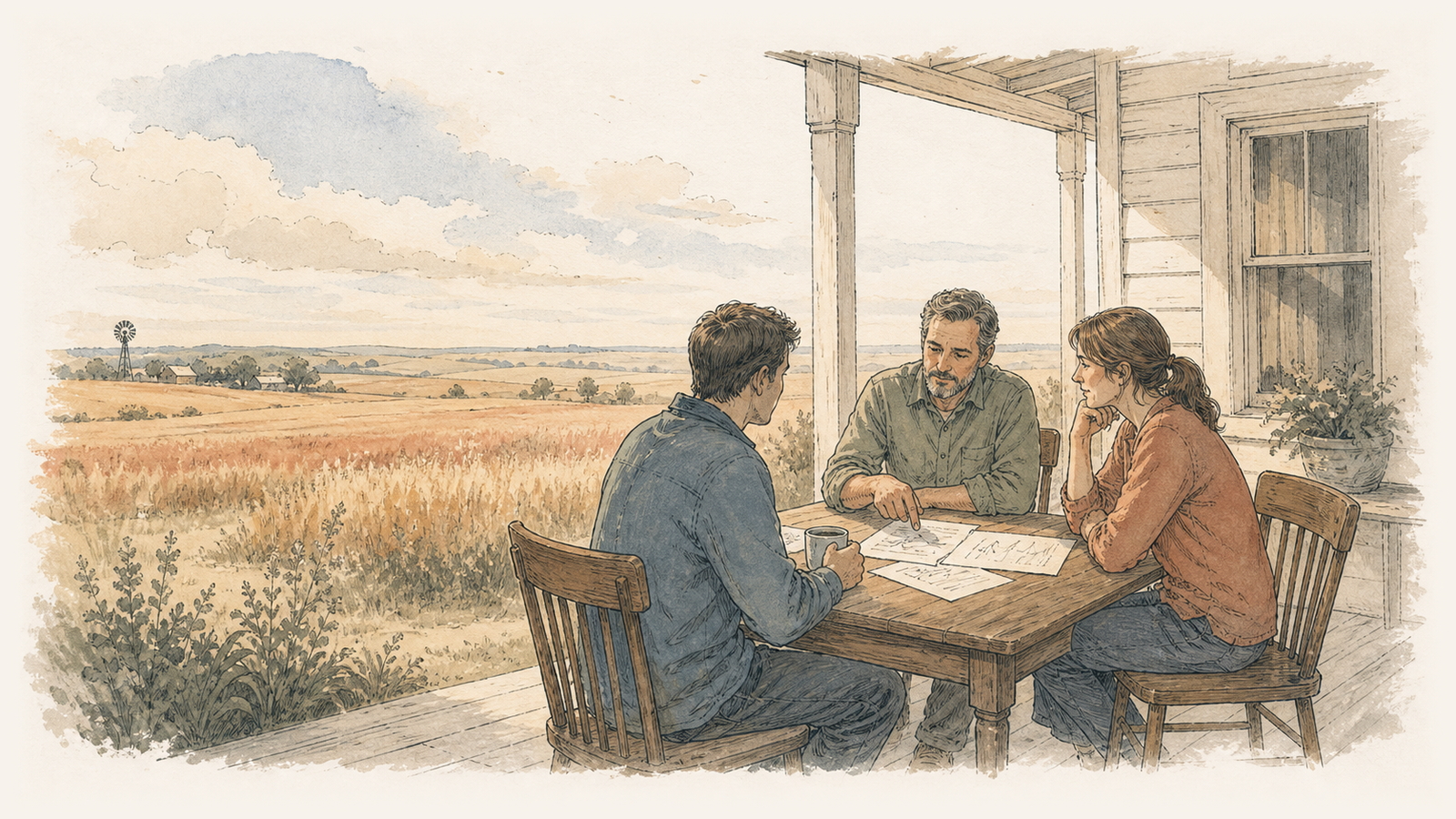
What does a funeral cost in Kansas?
NFDA's 2023 General Price List Study puts the national median for a funeral with casket and burial at $8,300, and about $6,280 for a funeral with cremation; its full study reports roughly $9,995 once a burial vault is included. The $8,300 excludes the cemetery plot, the marker and cash advances. State-level analyses of that data, such as Choice Mutual's breakdown, place Kansas modestly above those national medians for burial. Note that these figures don't include cemetery costs — the plot, grave opening, and headstone can add several thousand dollars on top.
Prices also vary a lot between funeral homes in the same Kansas town, sometimes by thousands of dollars for identical services. Because every funeral home must give you prices over the phone, calling three of them is the single most effective way to lower the cost. It feels awkward to comparison-shop while grieving, but it's normal, legal, and exactly what the price lists exist for.
What does the FTC Funeral Rule guarantee you?
The federal Funeral Rule, enforced by the Federal Trade Commission, applies to every funeral home in Kansas. Per the FTC's consumer guidance, you have the right to a written, itemized General Price List that is yours to keep, the right to get prices over the phone without giving your name, and the right to buy goods and services individually rather than as a package. A funeral home cannot refuse — or charge a handling fee for — a casket or urn you bought elsewhere, and if it offers cremation it must make an inexpensive alternative container available instead of a casket.
The Rule also requires honesty about embalming: no state law requires routine embalming for every death, and a funeral home can't tell you otherwise. Kansas rules, as explained by the state's regulator, allow burial or cremation without embalming when it takes place within 24 hours of death, and refrigeration is an accepted alternative in most situations. If you're not having a public viewing, you can generally decline embalming altogether.
Who regulates funeral homes in Kansas?
The Kansas State Board of Mortuary Arts licenses and oversees the state's funeral directors, embalmers, assistant funeral directors, and crematory operators, and it inspects funeral establishments. Kansas adds a few consumer protections of its own: the Board's Facts About Funerals guidance notes that every casket on display must carry a card or brochure listing its price, and you must receive a signed, itemized written statement of costs before services are provided. If something goes wrong, you can file a complaint with the Board directly at (785) 296-3980.
Complaints about cemeteries or pre-need funeral contracts sold by third parties go to a different door — the Kansas Attorney General's Consumer Protection Division. Serious Funeral Rule violations can also be reported to the FTC. You're not powerless here; these agencies act on consumer complaints.
Is direct cremation cheaper in Kansas?
Yes — direct cremation is the least expensive complete option in Kansas, typically costing $845 to about $2,700 depending on the provider and city, per US Funerals Online's Kansas survey. Direct cremation means the funeral home collects your person, handles the paperwork, and carries out the cremation without embalming, viewing, or a ceremony; the ashes are returned to you, and you hold whatever memorial you want, wherever and whenever you want. The same survey found starting prices around $845 in Kansas City, Olathe, Shawnee, and Topeka, and around $1,295 in Wichita, with citywide averages often two to three times the lowest available price — which again shows why calling around pays.
Direct burial is the burial-world equivalent: a simple casket, no embalming or viewing, and burial soon after death, usually costing a few thousand dollars less than a full-service funeral, though you'll still need to budget for cemetery charges. Kansas death certificates cost $20 each, and you'll want several certified copies for banks, insurance, and accounts. Neither direct option prevents a meaningful goodbye — many families hold a memorial at home, at church, or graveside afterward, at little or no cost.
What if you can't afford a funeral in Kansas?
Kansas has no broad statewide program that pays funeral costs for most families, so help is pieced together locally. Many Kansas counties operate indigent burial or cremation programs for residents who die without resources, though eligibility and amounts vary by county — call the county clerk or coroner's office where the death occurred and ask. Social Security pays a one-time $255 lump-sum death benefit to an eligible surviving spouse or child, and veterans may qualify for VA burial allowances and free burial in a national cemetery, including at Fort Leavenworth and Fort Scott.
Beyond that, dialing 211 connects you to United Way's referral line, which tracks local burial-assistance funds, and charities such as Catholic Charities and the Salvation Army sometimes help with funeral expenses in Kansas communities. Be honest with the funeral home about your budget — under the Funeral Rule they must work from their itemized list, and most will tell you plainly what the least expensive respectful option is. Choosing direct cremation because it's what you can afford is not a lesser goodbye.
Do you have to use a funeral home at all in Kansas?
For most practical purposes, yes — Kansas law channels death registration and disposition through licensed funeral directors, which is one reason the Board of Mortuary Arts' oversight matters. But using a funeral home doesn't mean buying everything from one. You can hire a funeral home for the minimum required services, supply your own casket or urn, decline embalming when the timing allows, hold the memorial yourselves, and file for assistance separately. The law's floor is lower than most families assume, and every dollar above it is a choice — yours to make, not the funeral home's.
Sources and references
These references support the guidance in this article. Each entry names the source and the date we checked it. Open the links for more detail, and confirm current requirements, availability, or costs with the relevant organization before relying on them.
- NFDA — 2023 General Price List Study (news release, 8 December 2023) · checked
the median cost of a funeral with casket and burial has increased only 5.8% over the past two years (from $7,848 to $8,300) ... The cost does not take into account interment in a cemetery, monument or grave marker costs, or cash-advance charges.
- FTC — The Funeral Rule (consumer guidance) · checked
Funeral directors must give you price information on the telephone if you ask for it. You don't have to give them your name, address, or telephone number first.